SEO-friendly URLs, also known as clean URLs or permalinks, play a crucial role in improving a website’s search engine visibility and user experience.
Here’s why they matter:
Improved Search Engine Rankings
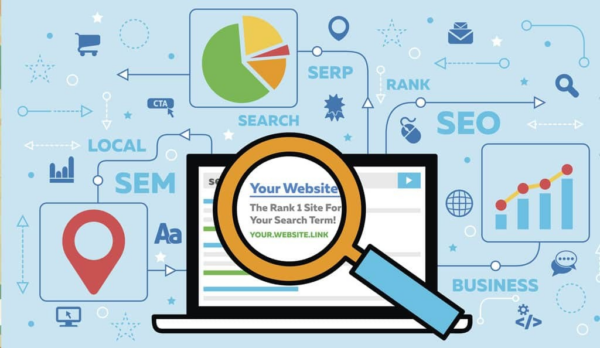
Search engines like Google consider URLs when ranking pages. A clean, keyword-rich URL helps search engines understand the content of a page, improving its visibility. For example, a URL like www.example.com/seo-friendly-urls is much clearer to both users and search engines compared to www.example.com/index.php?id=123.
Improved User Experience
Clarity and Relevance: Clean URLs provide users with a clear understanding of the page’s content. This helps them navigate your website more effectively.
Bookmarkability: SEO-friendly URLs are easier to remember and bookmark, making it convenient for users to return to your site.
Shareability: Social media users are more likely to share links with clean URLs, as they look more professional and trustworthy.
Better Click-Through Rates (CTR)
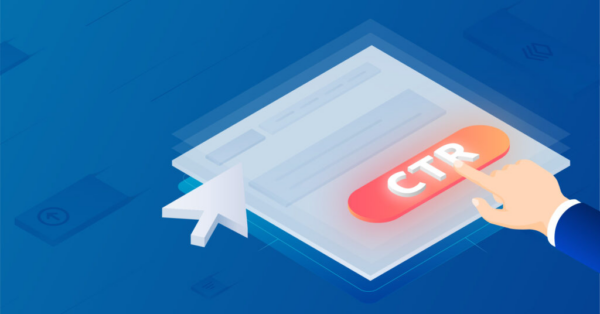
Clear and relevant URLs improve CTR from search results. Users are more likely to click on a URL that clearly indicates the page content. For example, a URL like www.example.com/best-coffee-shops is more attractive to users than a generic or complex URL.
Better Website Structure
Hierarchical Structure: Clean URLs can help create a well-organized and hierarchical website structure, making it easier for both users and search engines to understand.
Logical Navigation: When URLs are descriptive and consistent, users can easily navigate between pages and find the information they need.
Best Practices for SEO-Friendly URLs
Use Keywords: Incorporate relevant keywords into your URLs, but avoid keyword stuffing.
Keep URLs Short and Descriptive: Aim for concise URLs that accurately represent the page’s content.
Use Hyphens, Not Underscores: Hyphens improve readability and search engine understanding.
Avoid Dynamic Parameters: Minimize the use of dynamic parameters in URLs, as they can be less SEO-friendly.
Use Lowercase Letters: Search engines may interpret uppercase letters differently than lowercase.
Create Canonical URLs: If you have multiple URLs pointing to the same content, use canonical tags to specify the preferred version.
Discover more from Wits Technologies Ltd
Subscribe to get the latest posts sent to your email.